Factory New Ammo Explained: What It Means and Why It’s Worth Buying
Factory new ammo is loaded with precisely metered propellant and freshly sealed primers, delivering ignition consistency that handloads rarely match shot-for-shot. This unfired, virgin ammunition eliminates the variable of degraded powder or corroded cases, so every round performs as the manufacturer intended from the first trigger 7.62×39 Ammo for Sale pull to the last. The reliability of factory new ammo means you can trust your zero and your life on it, without ever guessing about pressure spikes or misfeeds—just load, aim, and fire with absolute confidence.
What Exactly Makes Ammunition “Factory New” and Why It Matters for Performance
“Factory new” ammunition denotes cartridges assembled from virgin components—unfired brass cases, fresh primers, new propellant, and pristine bullets—under strict quality control tolerances. Unlike reloads or remanufactured rounds, factory new ammo hasn’t been subjected to prior chamber pressures, which can stretch or weaken brass. This matters for performance because virgin cases provide consistent internal volume and uniform neck tension, ensuring reliable chambering and predictable ballistic spread. Factory new ammo also uses freshly formulated powders measured to exact weights, minimizing velocity deviations shot-to-shot. Crucially, unfired primers are seated to a precise depth, guaranteeing positive ignition every trigger pull. For self-defense or competition, this consistency translates .17 HMR Ammo for Sale into tighter groups and fewer malfunctions, whereas once-fired brass may introduce micro-variations that degrade accuracy and pressure stability.
Defining the Term: Sealed Boxes, Fresh Primers, and Untouched Powder
When we say factory new ammo, we’re talking about a very specific starting point: sealed boxes that haven’t been opened, primers that are crisp and uncrushed, and powder that’s still in its original, untouched state. The seal on the box isn’t just for show—it keeps moisture out, which is the biggest enemy of reliable ignition. Fresh primers mean the compound inside is still perfectly layered and sensitive, so your firing pin gets an instant, clean strike. Untouched powder maintains its exact granule shape and burn rate, which directly affects velocity consistency. Once that seal is broken, even briefly, you’re already flirting with variables you can’t control. That’s why the unopened condition matters so much for predictable accuracy.
How Factory Fresh Cartridges Differ from Remanufactured or Reloaded Rounds
Factory fresh cartridges utilize newly drawn brass, virgin propellant, and pristine primers, ensuring consistent internal case volume and concentricity. Remanufactured rounds, by contrast, start with once-fired cases that have been resized, but these cases may have work-hardened necks or expanded primer pockets, degrading neck tension over reloads. Reloaded rounds—often hand-assembled—risk inconsistent powder charges or bullet seating depth due to worn tooling. The critical difference is that factory ammunition benefits from automated, process-controlled pressure testing; remanufacturing relies on statistical sampling. This yields tighter velocity uniformity and superior shot-to-shot accuracy potential, directly affecting zero retention and terminal performance. A reloaded round might fail identically, but factory-new brass distributes stress uniformly, preventing premature case-head separation under high-pressure loads.
| Aspect | Factory .17 WSM Ammo for Sale Fresh | Remanufactured/Reloaded |
|---|---|---|
| Case Life | Full virgin material, maximum structural integrity | Work-hardened, reduced fatigue resistance |
| Quality Control | 100% inline inspection (weight, dimensions, powder) | Batch-level testing, occasional visual checks |
| Pressure Consistency | Precision metering, single-pass loading | Variable due to reused primers or mixed headstamps |
Key Benefits You Get When Buying Fresh, Unfired Cartridges
You slide a fresh cartridge into the chamber, and there’s a quiet confidence in that click—factory new ammo delivers consistent pressure curves and clean ignition you simply don’t get from stored or reloaded rounds. Because each unfired cartridge leaves the 5.56 Ammo for Sale plant with virgin brass and fresh primer compound, your first shot already feels predictable: no hang-fires, no weird velocity spikes, just tight groups from the very first mag. That reliability matters most when you’re at the range testing a new optic or hunting at dawn, where a single misfire ruins the moment.
You’re not just buying rounds—you’re buying certainty that the first pull will behave exactly like the hundredth.
Plus, unfired cartridges carry no risk of setback from chambering or corrosion from long storage, so your zero stays true round after round.
Consistent Velocity and Pressure for Tight Shot Groups
When you buy fresh, unfired cartridges, you’re getting ammo where every case is filled with the exact same powder charge and seated to the same depth, which means consistent velocity and pressure for tight shot groups right out of the box. New brass has uniform neck tension, so bullets don’t get grabbed harder or softer from round to round, keeping your point of impact stable. You avoid the wild velocity swings you’d see with old or reloaded rounds, so your groups stay small instead of opening up with fliers. It’s simply easier to trust your rifle when each shot feels and lands the same.
- Uniform powder specialty sports & supply drops eliminate random velocity spikes that ruin group size.
- Fresh, annealed cases hold bullets consistently, keeping pressure curves identical.
- No corroded or stretched brass means fewer pressure anomalies, so your shots stack predictably.


Reliable Ignition in Semi-Autos, Revolvers, and Bolt Guns
Fresh, unfired cartridges guarantee reliable ignition in semi-autos, revolvers, and bolt guns because their primers and propellants haven’t degraded from moisture or age. In a semi-auto, crisp primer strike translates to instant slide cycling, preventing stovepipes or weak ejection. For revolvers, consistent ignition means no hesitant hammer drop or misfire that ruins a DA trigger pull cadence. Bolt-action shooters get the confidence of a single, decisive bang on a cold morning, avoiding the annoyance of a dud that forces a forceful bolt lift. Factory-new rounds also feature uniform seating depth, ensuring the firing pin hits the primer with identical force every time.
- Fresh primers in new ammo ignite at the same threshold, preventing light strikes in all action types.
- Uniform propellant burn ensures enough gas pressure for reliable semi-auto cycling without jams.
- New brass holds the primer pocket tight, eliminating loose-primer misfires common in revolver and bolt guns.
How to Check the Lot Number and Manufacturing Date on Fresh Ammo Boxes
On factory new ammo, the lot number is typically stamped on the outer carton flap or the side panel of the box, often in white or black ink, while the manufacturing date appears as a four-digit code (e.g., “2418” for the 18th week of 2024) printed nearby or on the primer end flap. To check, rotate the box under direct light and look for a series of numbers prefixed 7.62x54R Ammo for Sale by “LOT” or a barcode; the date is sometimes fused into the lot string (first two digits = year, next two = week). For checking manufacturing date on fresh ammo boxes, peel the adhesive label if present—dates are frequently concealed beneath it. Compare the code against the manufacturer’s online decoder, as each brand uses a distinct format, but never open the inner tray; the seal guarantees freshness.
Reading the Sticker: What Those Codes Tell You About Shelf Life

The sticker on a factory-new ammo box is your primary tool for assessing ammo shelf life verification, as it translates the lot number into a usable timeline. A four-digit Julian date, common on commercial boxes, directly encodes the manufacture day: the first two digits represent the year, the last three the sequential day (e.g., 0245 = 2024, day 245). Military-spec boxes often use a four-digit 7.62×51 Ammo for Sale year followed by the day, shifting the logic. Crucially, this date is not the expiration date; unopened, properly stored factory ammo can last decades, but the sticker’s lot code tells you when it was made, allowing you to calculate current age and predict degradation risk from temperature cycling or humidity exposure. Always cross-reference the printed date with the box’s crimp seal integrity, as age alone doesn’t predict failure.
- Decode the first two digits as year, last three as day of year for commercial Julian codes.
- Treat the code as a manufacturing timestamp, not a hard expiry.
- Compare the code’s age against your storage conditions—older codes demand stricter climate control.
Simple Visual Checks for Corrosion, Tarnish, or Loose Bullets Before You Load Up
Before you load up, give each round a quick once-over—this is your simple visual ammo inspection. Look for any green or white crusty spots on the case or primer, which signal corrosion or tarnish. Even on factory-new boxes, humidity during storage can cause surface dullness. Next, check the bullet nose where it meets the case mouth; it should sit flush and even, with no visible gap or tilt. Give the bullet a gentle pinch between your fingers—if it wiggles or spins, that’s a loose bullet, and it can cause feeding problems or pressure issues. Also, scan the case rim for dents or scratches. If anything looks off, set that round aside. A five-second glance beats a malfunction at the range.
Choosing the Right Fresh Production Ammo for Your Specific Firearm
When picking factory new ammo for your specific firearm, always start by checking the caliber stamped on the barrel—then match it exactly, no exceptions. Fresh production rounds are held to tight tolerances, so they’re far less likely to cause feeding or extraction hiccups than old stock. Still, your gun’s chamber and rifling can be picky, so test a box of a reputable brand’s standard load before buying a case. Pay attention to bullet weight: a lighter grain may group tight in a 1:12 twist barrel while a heavier one keyholes in the same rifle. Also, confirm the cartridge’s overall 7mm PRC Ammo for Sale length cycles smoothly in your magazine—some factory rounds are just a hair too long for compact frames. Your firearm’s manual is the best first reference, but real-world function beats any spec sheet. Finally, buy fresh production from a lot this year, not something that’s been sitting on a shelf for months, so the primers and propellant are at their most consistent. That way, you’re not just shooting—you’re verifying reliability with known-good ammunition built to current factory standards.
Matching Bullet Weight and Profile to Your Barrel Twist Rate
Your barrel’s twist rate dictates which factory bullet weights stabilize best. A slower 1:12 twist prefers lighter, shorter projectiles, while a faster 1:8 or 1:7 twist handles longer, heavier bullets for superior aerodynamics. Mismatching them causes keyholing or poor accuracy, even with premium fresh ammo. Check your barrel’s twist stamped on the side, then compare it to the manufacturer’s recommended bullet profile—flat-base rounds suit moderate twists, boat-tails excel in fast twists. Twist-rate-matched factory ammunition ensures consistent spin, tighter groups, and reliable terminal performance without handloading guesswork.


Q: How do I know if my rifle’s twist rate matches a factory bullet’s weight?
Shoot a few rounds at 100 yards—consistent, round holes mean stability. Tear-shaped or tilted impacts signal a twist too slow for that bullet’s length, so switch to a lighter profile or faster twist.
Brass, Nickel, or Steel Casings: How Each Affects Feeding and Extraction
When picking factory new ammo, the casing metal directly changes how your gun cycles. Brass casings offer the most reliable feeding and extraction because they’re soft enough to grip the chamber walls slightly, then spring back after firing, which prevents stuck cases. Nickel cases are 5.7x28mm Ammo for Sale slicker, so they slide into the chamber easily and resist corrosion, but that same smoothness can reduce the “bite” needed for positive extraction in tight, dirty chambers. Steel cases are the toughest, yet they don’t expand and contract as uniformly as brass, so they can cling to the chamber after firing, especially in hot guns. *The trade-off is that steel’s harder surface also wears extractor hooks faster over time.* For factory fresh rounds, brass remains the smoothest cycling choice, while nickel suits slick-feeding pistols and steel only if your firearm is built for it.

Full Metal Jacket vs. Hollow Point: Selecting Factory Rounds for Range or Defense
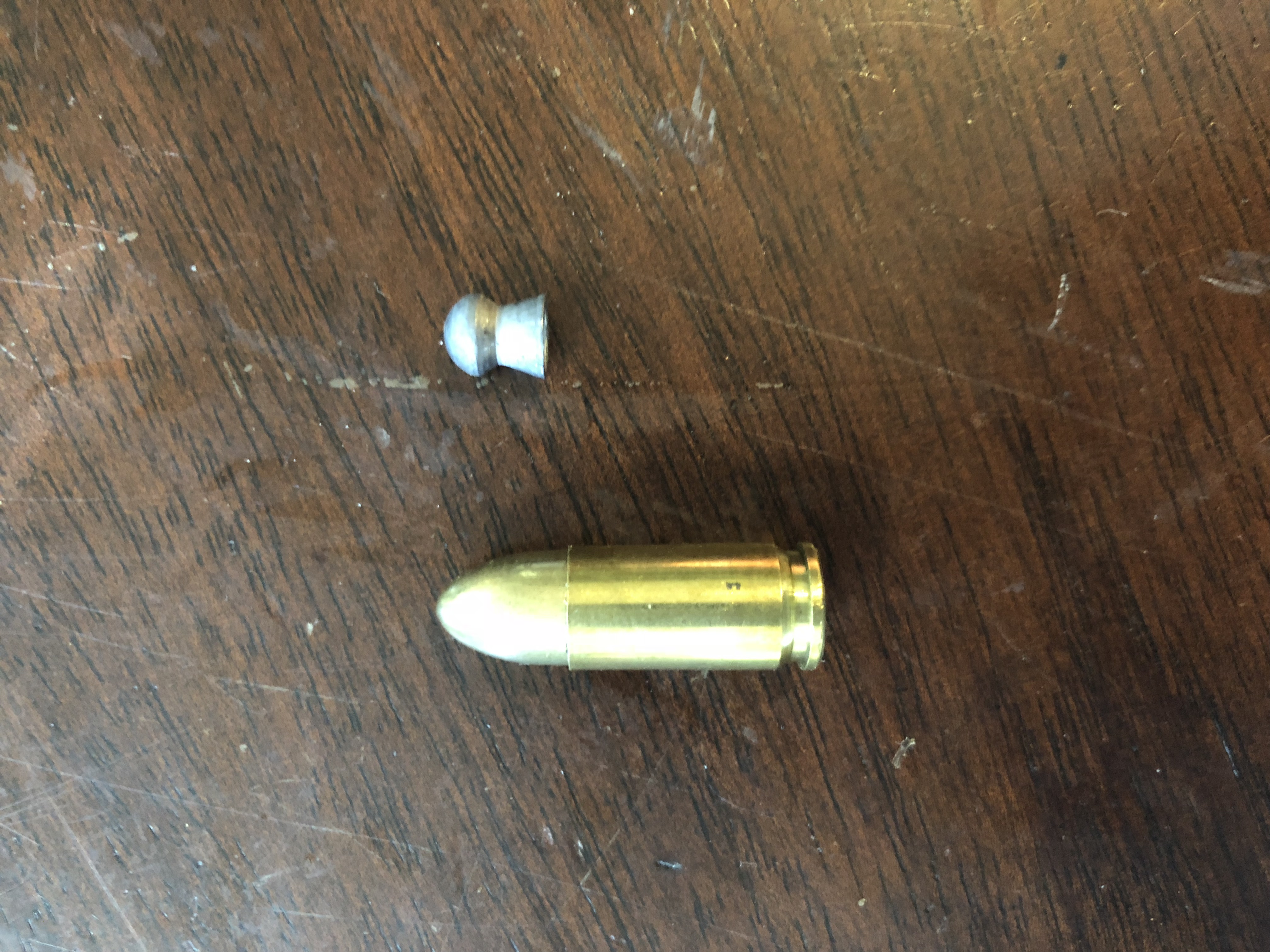
For fresh factory ammunition, the choice between **Full Metal Jacket (FMJ) and Hollow Point Ammo Cans & Storage for Sale (HP)** hinges entirely on your intended use. FMJ rounds, with their solid copper jacket over a lead core, are engineered for reliable feeding and deep, unexpanded penetration—making them ideal for high-volume range practice where cost and function outweigh terminal performance. Conversely, factory-loaded hollow points are designed to expand upon impact, transferring energy rapidly and reducing over-penetration risks, which is critical for self-defense scenarios. Always verify that your specific firearm cycles the chosen bullet profile flawlessly before committing to a case lot.
- Use FMJ for economical, consistent training and malfunction drills.
- Select HP for carry or home defense where controlled expansion is vital.
- Test both types in your firearm to confirm reliable chambering and slide lock-back.
- Reserve HP for defensive loads; FMJ offers no expansion, increasing collateral risk.
Proper Storage and Handling Tips to Keep Your Unfired Stock in Top Shape
Keep factory new ammo in its original box inside a sealed ammo can with a desiccant pack—humidity is the main enemy of unfired rounds. Store it in a cool, dark place, ideally below 75°F, away from temperature swings that can degrade powder and primers. Never leave rounds loose in a dusty drawer; the casings can pick up grit that causes feeding issues. When handling, use clean, dry hands or cloth gloves—finger oils accelerate brass corrosion over time. Inspect every round before loading; if you spot green verdigris or a loose bullet, set it aside for practice, not carry.
Rotate your stock annually—oldest out first—so no round sits in the same spot long enough to develop latent pressure issues from temperature cycling.
Temperature and Humidity Ranges That Preserve Fresh Primers and Propellant
For factory-new ammunition, the optimal temperature and humidity envelope is a controlled 55–75°F range with relative humidity kept between 30% and 50%. Temperatures above 90°F accelerate propellant stabilizer depletion, while freezing conditions risk condensation upon thawing—both degrade primer sensitivity. Humidity below 30% lets propellant moisture escape, altering burn rate; above 50% invites corrosion of primers and case mouths. A hygrometer and thermometer inside your ammo can will confirm these zones before sealing. Fluctuations matter more than absolute values: rapid swings force moisture in and out of the cartridge, stressing the seal between primer and pocket. Maintain a stable environment, not just a baseline reading.
Keep fresh primers and propellant at 55–75°F with 30–50% humidity, avoiding rapid swings to prevent corrosion and burn-rate shifts.
How to Rotate Your Ammo Supply So You Always Shoot the Newest Lots First
To keep your factory-new ammunition performing at its peak, adopt a **strict first-in, first-out rotation** so you always shoot the newest lots first—but only after clearing older stock. Write the purchase date and lot number on every box with a permanent marker. Store new arrivals behind existing inventory, never in front, and physically pull from the front of your shelf or ammo can. This simple habit ensures your newest rounds remain factory-fresh while older lots get used before any potential degradation from long-term storage. Rotate quarterly: inventory your stock, move the oldest boxes to a separate “shoot now” container, and restack the rest with newest lots at the back. Every time you buy, repeat this sequence without exception.

Common Questions Shooters Ask About Buying Unfired Commercial Ammo
When a shooter finally holds that sealed box of factory new ammo, the first question is almost always about the date code—specifically, how long it can sit before the powder degrades. You’ll hear them ask if the brass has been resized too many times, but with unfired commercial ammo, the answer is simpler: it hasn’t been touched by a chamber, so headspace is perfect. The real concern is storage—will that round that’s been in a hot garage for three years still cycle? The truth is factory new ammo is essentially a sealed time capsule, but you’ll still wonder if the primer is too hard for your light-striker pistol, or if the bullet’s cannelure matches your barrel’s twist rate. A common worry is whether the factory lube on the case will cause feeding issues—usually, it won’t, but you might wipe it off anyway.
Most shooters don’t realize that unfired commercial ammo’s biggest enemy is not age, but humidity swings that can corrode the case mouth over a decade.
You’ll also ask if the box’s lot number matters for matching performance to your last batch—it does, but only if you’re chasing sub-MOA groups, not for plinking.

Is It Worth Paying Extra for Premium Factory Loads Over Budget Boxes?
For most shooters, premium factory loads justify their cost only when precision or terminal performance directly impacts your goal. Budget boxes group adequately for plinking, but they often exhibit wider velocity variance and looser tolerances in bullet weight and case consistency. If you’re zeroing a defensive firearm, competing, or hunting at range, the extra spend buys tighter shot-to-shot uniformity, which translates into predictable POI shifts and reliable expansion. Conversely, burning through premium ammo for casual steel or paper drills wastes money without measurable benefit. The deciding factor is your target—demand premium when failure isn’t an option, and save cash when minute-of-pop-can accuracy suffices.
Pay extra for premium loads only when accuracy or terminal effect is mission-critical; otherwise, budget boxes handle routine practice affordably.